
Savignano Irpino is a village that cherishes its history as a precious treasure. Here, daily life is characterised by simplicity, a dedication to work and a deep connection to one’s roots. Traditions – whether religious, folk or culinary – are not merely occasions to be celebrated, but an integral part of the collective identity.
The stories passed down by the elders, the tales linked to the land, the legends and folk customs live on in the words, gestures and festivals that mark the passing of the year. In Savignano, memory is not nostalgia: it is continuity.
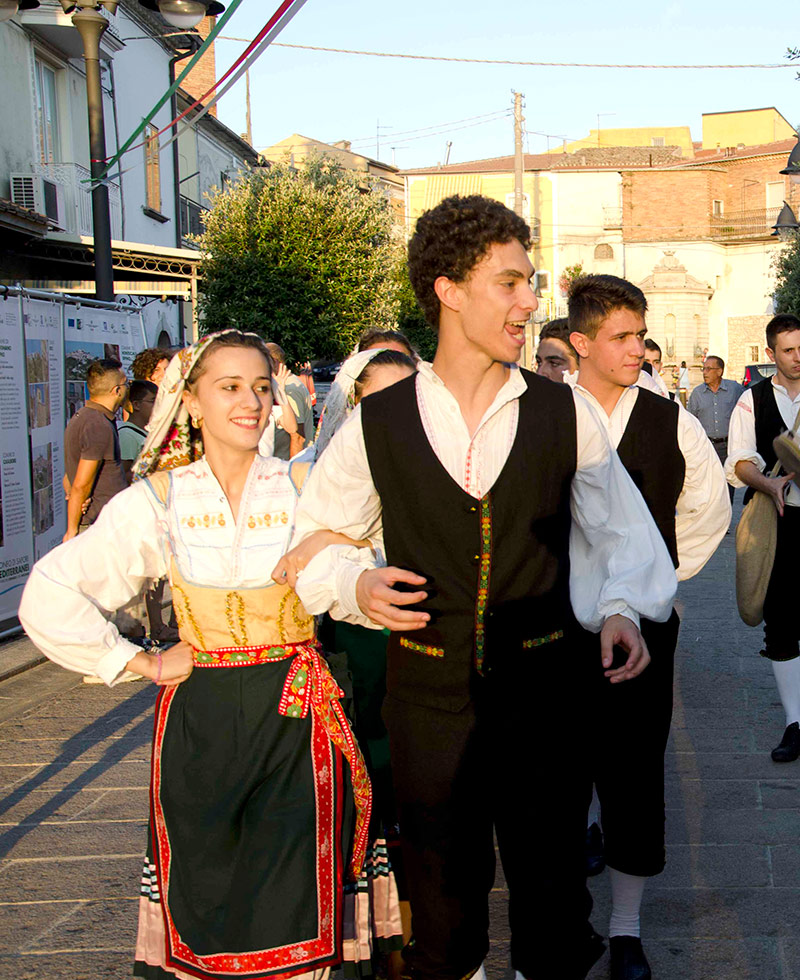
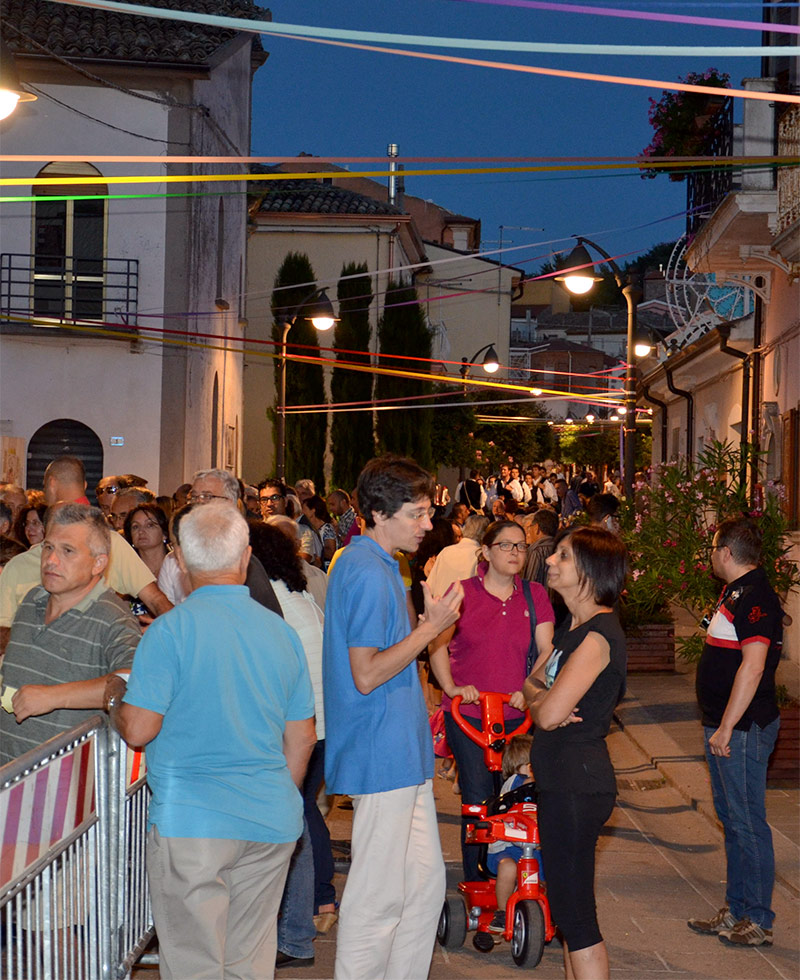
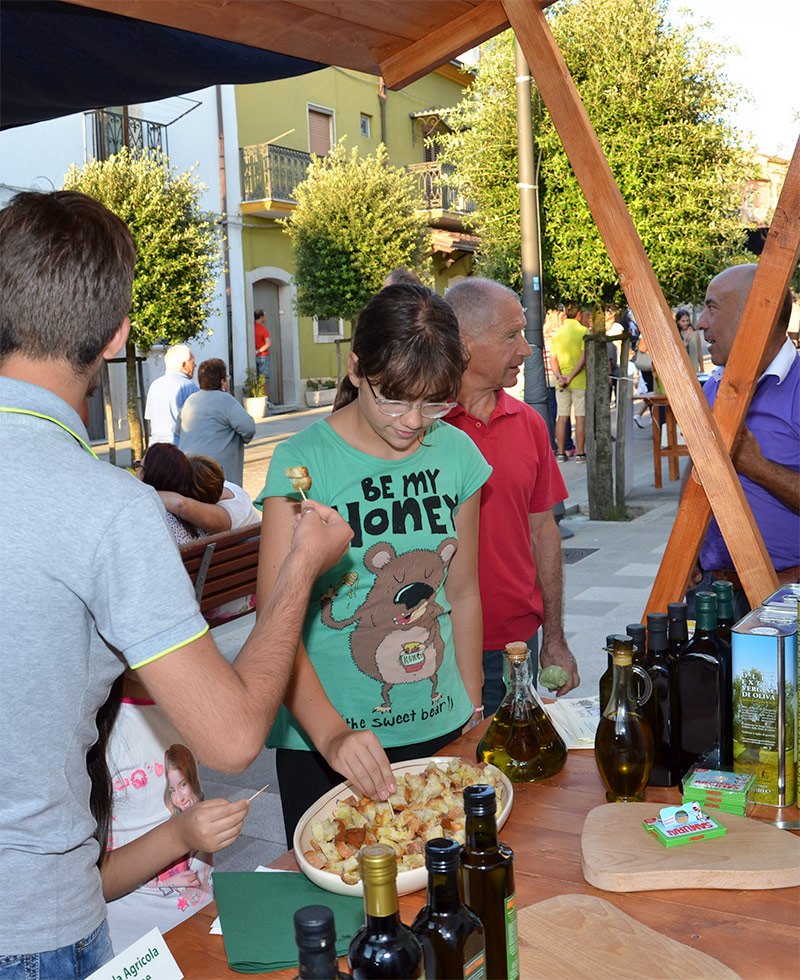
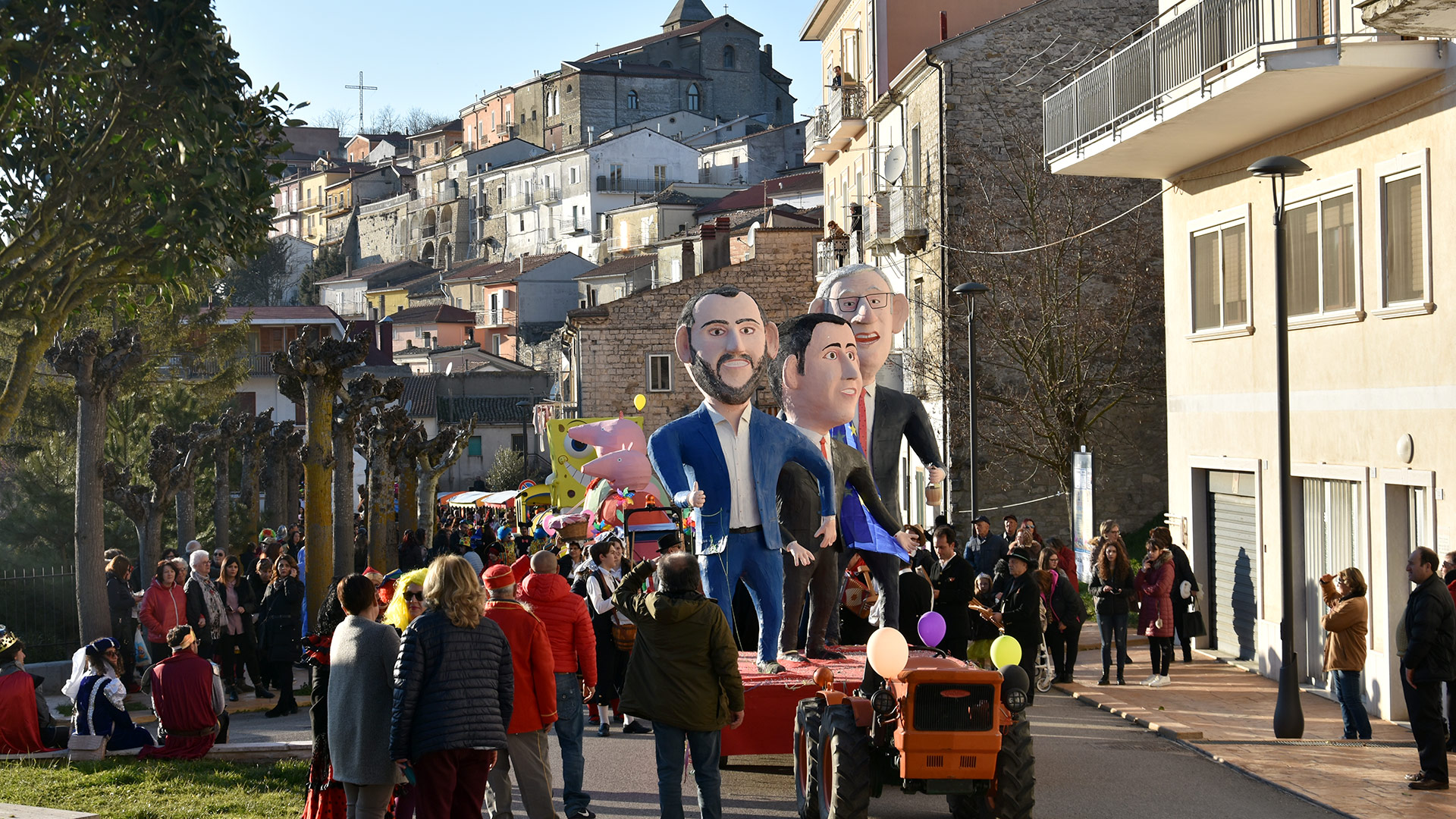
In February, Carnival is an event eagerly awaited by young and old alike. It is a celebration of pure, simple fun, featuring an explosion of colour. It is the day when anything goes and when everyone lets themselves be swept up in a touch of madness.
Made famous by the now-defunct Association"Lu Strungone"”, in Savignano, Carnival is a true tradition that extends to the neighbouring towns. The stars of the show are undoubtedly the allegorical floats, which parade to the accompaniment of music and folk dancing, alongside the imaginative masks that the people of Savignano devise and craft with their own hands. The parade concludes in Corso Vittorio Emanuele, where a final musical performance takes place, accompanied by exquisite traditional dishes.
Until a few years ago, a staple of the Savignano Carnival was the re-enactment of an operation on a patient with appendicitis, which used to end with offal being thrown at the watching crowd. One can only imagine the chaos, but as the saying goes: ‘Anything goes at Carnival!’
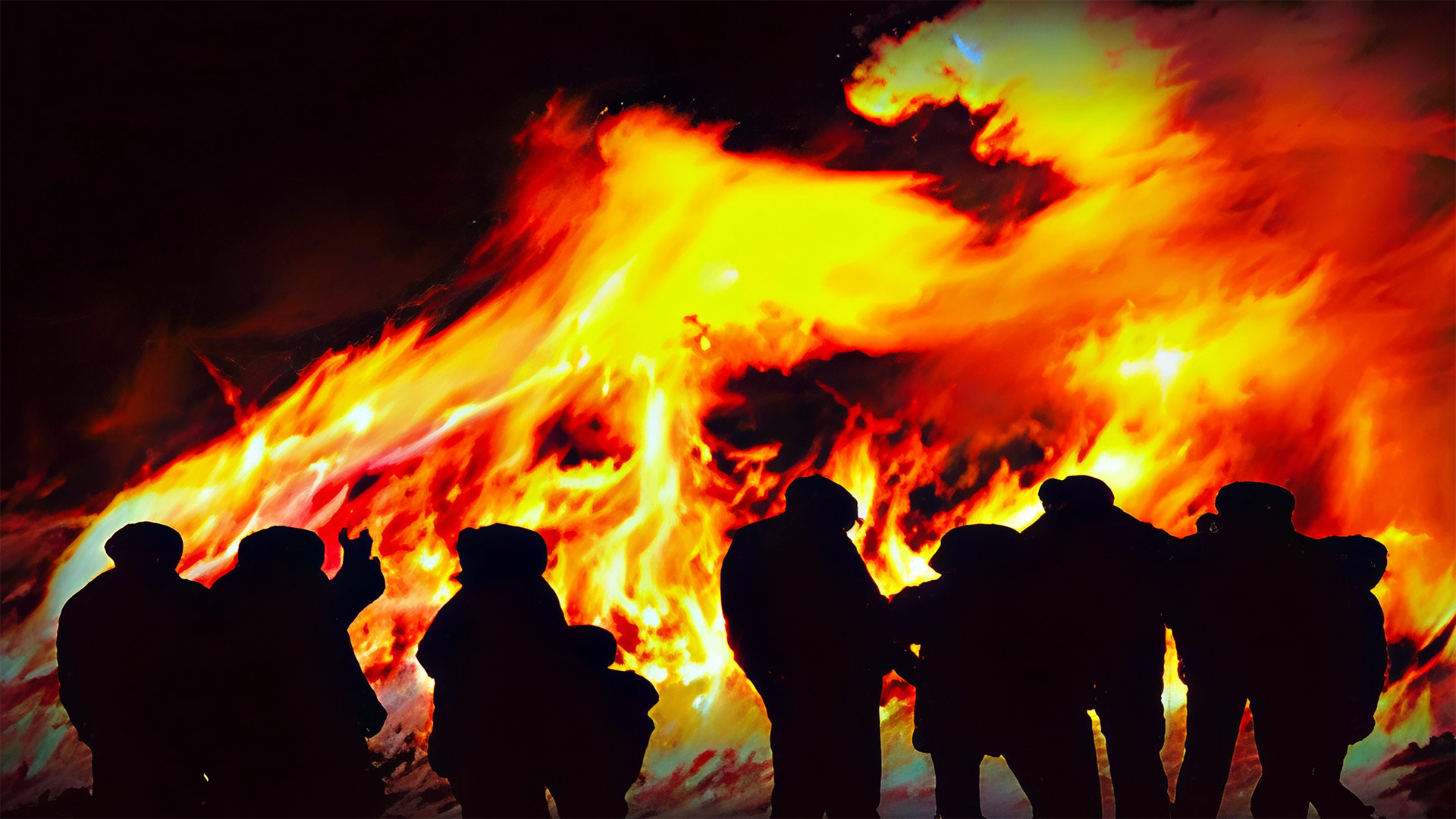
In Savignano Irpino, winter has its own ancient tradition, centred on light, warmth and togetherness. It is the night of the Immaculate Conception, on 8 December, when the village is lit up by the ‘fucaglioni’ – large bonfires around which the community gathers, rediscovering the true value of being together.
The festival is deeply rooted in Marian devotion. In the days leading up to 8 December, the statue of the Immaculate Conception is carried in procession from the Church of Purgatory to the Mother Church, in a ceremony that marks the start of the novena. On the day of the festival, however, the main procession winds its way through the village, returning the statue to its original location.
It is along this route that one of Savignano’s most evocative traditions comes to life: the fucaglioni. These are large bonfires lit in honour of the Virgin Mary, a symbol of purification and protection. The fire, with its flames, carries a profound meaning: that of driving away evil – represented by the serpent crushed by the Immaculate Conception – and of renewing, through light, the bond between faith and the community.
This tradition has its roots in ancient times, when pagan rituals associated with fire were gradually absorbed into Christianity, evolving into a celebration that still retains its ancient charm today.
In the past, there were numerous bonfires scattered throughout every neighbourhood in the town. Each district would prepare its own, striving to build the largest, in a sort of competition that expressed pride and a sense of belonging. Today, this tradition has evolved, but it has not lost its meaning: the community gathers round a single large bonfire in Piazza Mercato, where, amidst music, dancing and shared food, the deepest spirit of the festival is renewed.
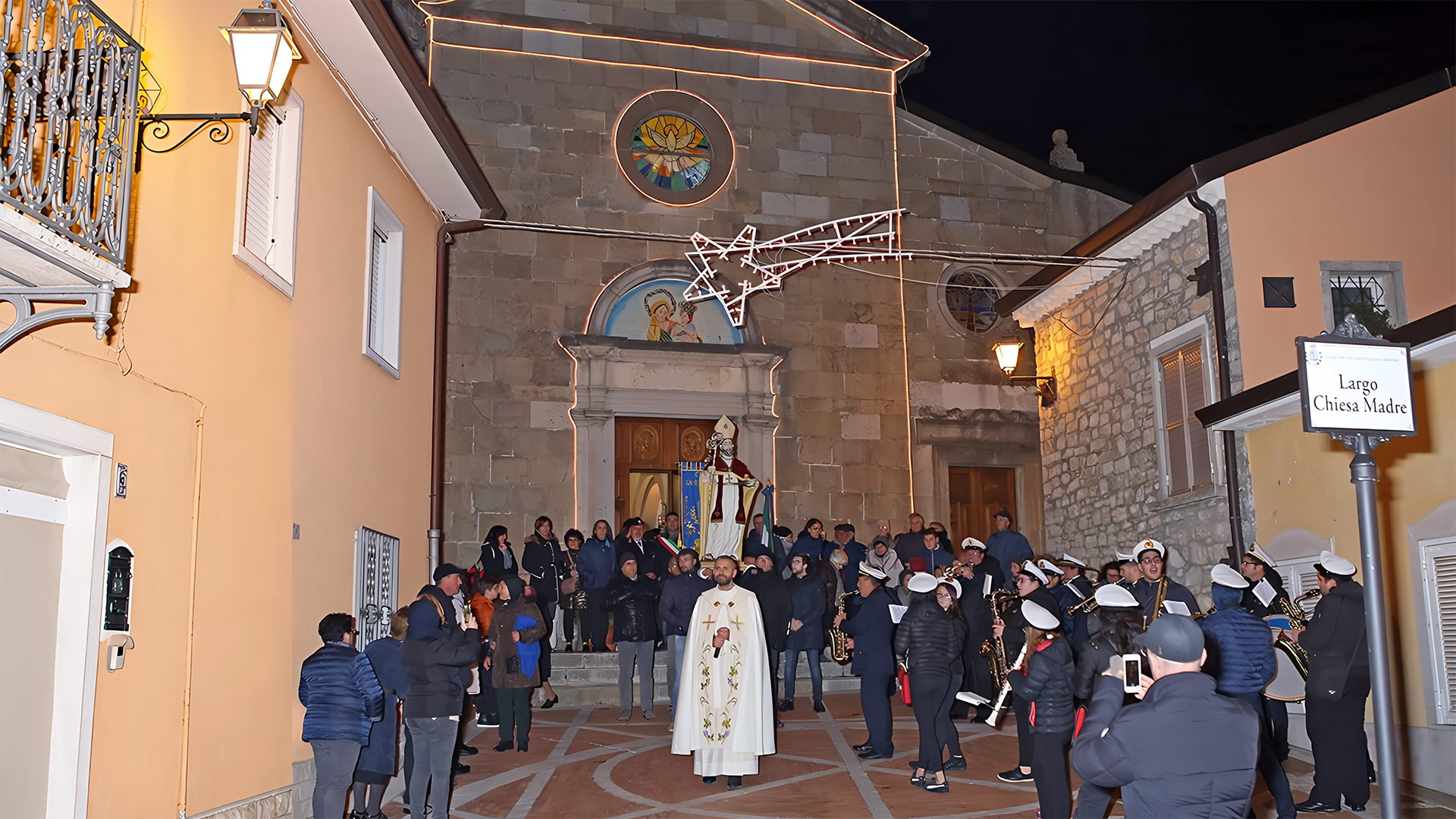
In Savignano Irpino, winter does not arrive suddenly. It announces itself gradually, amidst the silence of the hills and the chill in the air. It is during this time of limbo that one of the village’s oldest and most distinctive festivals is celebrated: the festival dedicated to Saint Nicholas, the village’s historic patron saint alongside Saint Anne.
The 6 december, on the saint’s feast day, the community gathers around the Mother Church to celebrate Holy Mass, preceded by a triduum of prayers to prepare the faithful spiritually. It is a more contemplative, intimate, almost homely occasion, which preserves the profound meaning of devotion.
But it is in the days that follow that the festival really comes into its own, in its most visible and lively form. The8 december, on the feast day of the Immaculate Conception, Savignano comes alive: the statues of St Nicholas and the Virgin Mary are carried in procession through the town’s streets, accompanied by the faithful on a journey that unites two devotions in a single, grand collective ritual.
In the past, this festival was one of the most important of the year. And even today, it retains the flavour of an age-old anticipation, linked too to the weather and the season. It is not uncommon for the village to wake up covered in snow, as the local proverb puts it:
“Saint Nicholas with the white beard”,
a poetic image evoking Saint Nicholas shrouded in the whiteness of winter.

In Savignano Irpino, the festivities do not end with the feast of Saint Anne. They continue, taking on a new form and changing in pace but not in intensity. It is during the first ten days of August that the town comes together once more, this time around a great imaginary table, to celebrate one of the most eagerly awaited and well-attended events: the Orecchiette Festival.
Established in 1977 on the initiative of the Sant’Anna Festival Committee, with the initial aim of providing financial support for the patron saint’s celebrations, the festival has, over time, become much more than just a culinary event: it is a true ritual that defines the local identity.
The undisputed stars of the show are the orecchiette, still prepared today in the traditional way, kneaded by hand by a group of grandmothers from Savignano who preserve and pass on this ancient knowledge. Quintali of pasta take shape under their expert hands, before being served with ragù – the festival’s signature sauce, the one that has always accompanied special occasions.
But the festival is, above all, a time for sharing. The tables fill up, distances shrink, and for one evening the village becomes one big family. People eat together, raise a glass and share stories. It is the unhurried pace of summer, when good food becomes an opportunity to come together.
Over the years, this event has attracted an ever-increasing number of visitors, including from neighbouring provinces, and has become one of the most authentic and recognisable events on Savignano’s calendar.
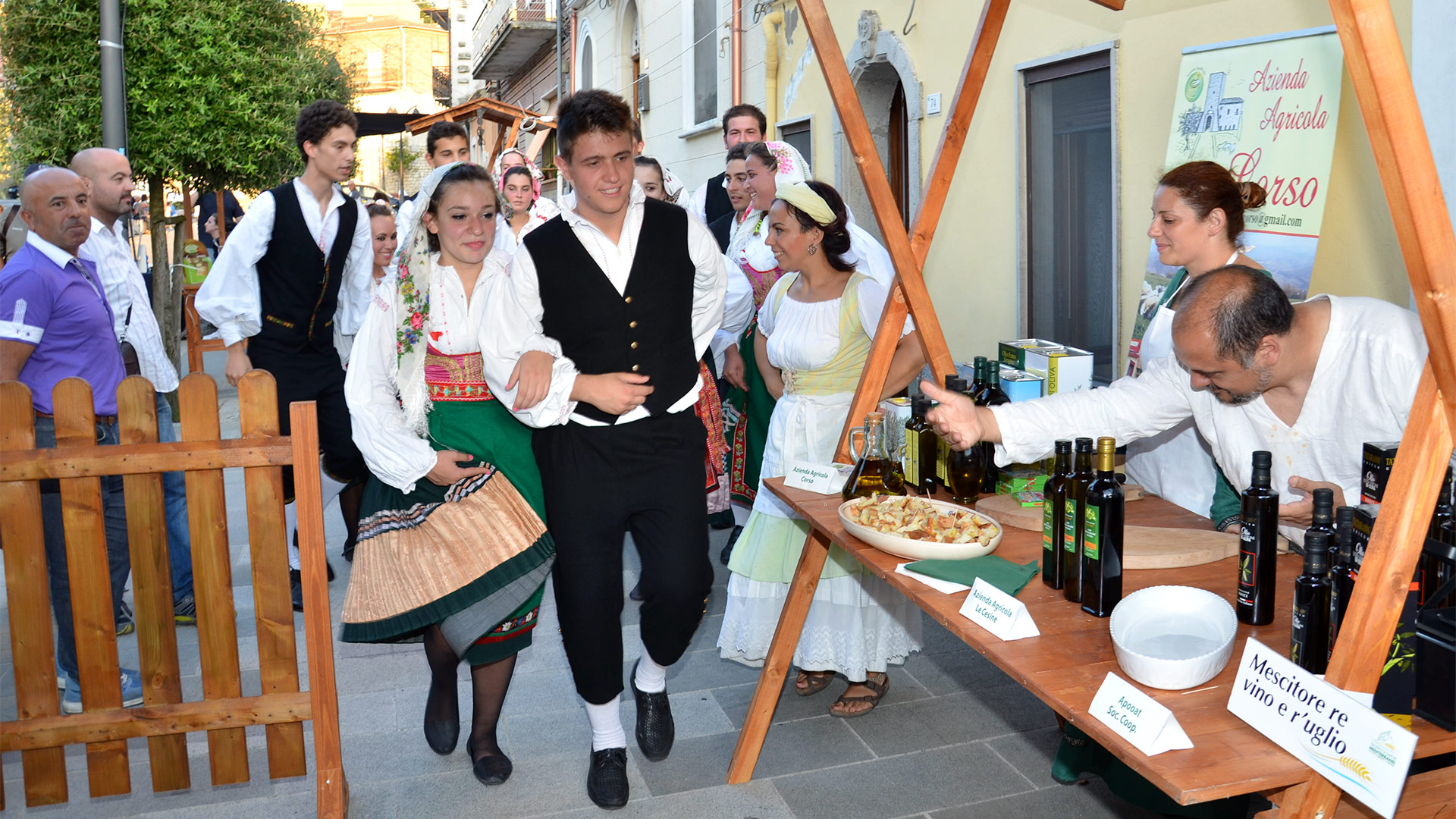
There is a time of year when Savignano Irpino takes on a whole new look. Houses come to life again, the streets fill up, and voices ring out all around. It’s Savignanestate, the major festival of events which, from 1 to 15 August, transforms the village into a lively, dynamic place, brimming with music, social gatherings and traditions.
For over forty years, thanks to the collaboration between the local council and local associations, this festival has been a feature of the Savignano summer, offering a packed programme of events, shows and concerts designed for all ages.
But Savignanestate is much more than just a programme of events. It is a time of homecoming. The people of Savignano who live far away return home, reopening the doors of their family homes and reconnecting with loved ones, memories and their roots. The village comes alive with hugs, stories and the presence of people who return year after year.
During those days, Savignano becomes a place where those who have always lived there, those who have left, and those arriving for the first time all come together. Tourists discover an authentic village, which welcomes them with simplicity and warmth, whilst the community reveals its true nature.
The calendar symbolically draws to a close on 15 August with the Sant’Anna Lottery draw, as if to bring together all the moments of the summer into one great narrative.
There are days in Savignano Irpino when everything comes to a standstill to make way for something greater: devotion, identity and a deep sense of belonging. These are the days of the feast of Saint Anne, the ‘mother’ of all the people of Savignano, the most eagerly awaited and widely celebrated event of the year.
From 25 to 27 July, the village is transformed into a place where the sacred and the profane coexist in perfect harmony, giving rise to a celebration that is at once an expression of faith, a festival and a collective narrative.
The roots of this cult date back to the 17th and 18th centuries, but it was from 1905 onwards, thanks to the efforts of Archpriest Don Lorenzo Palmieri, that devotion to Saint Anne grew to become the most deeply felt of all.
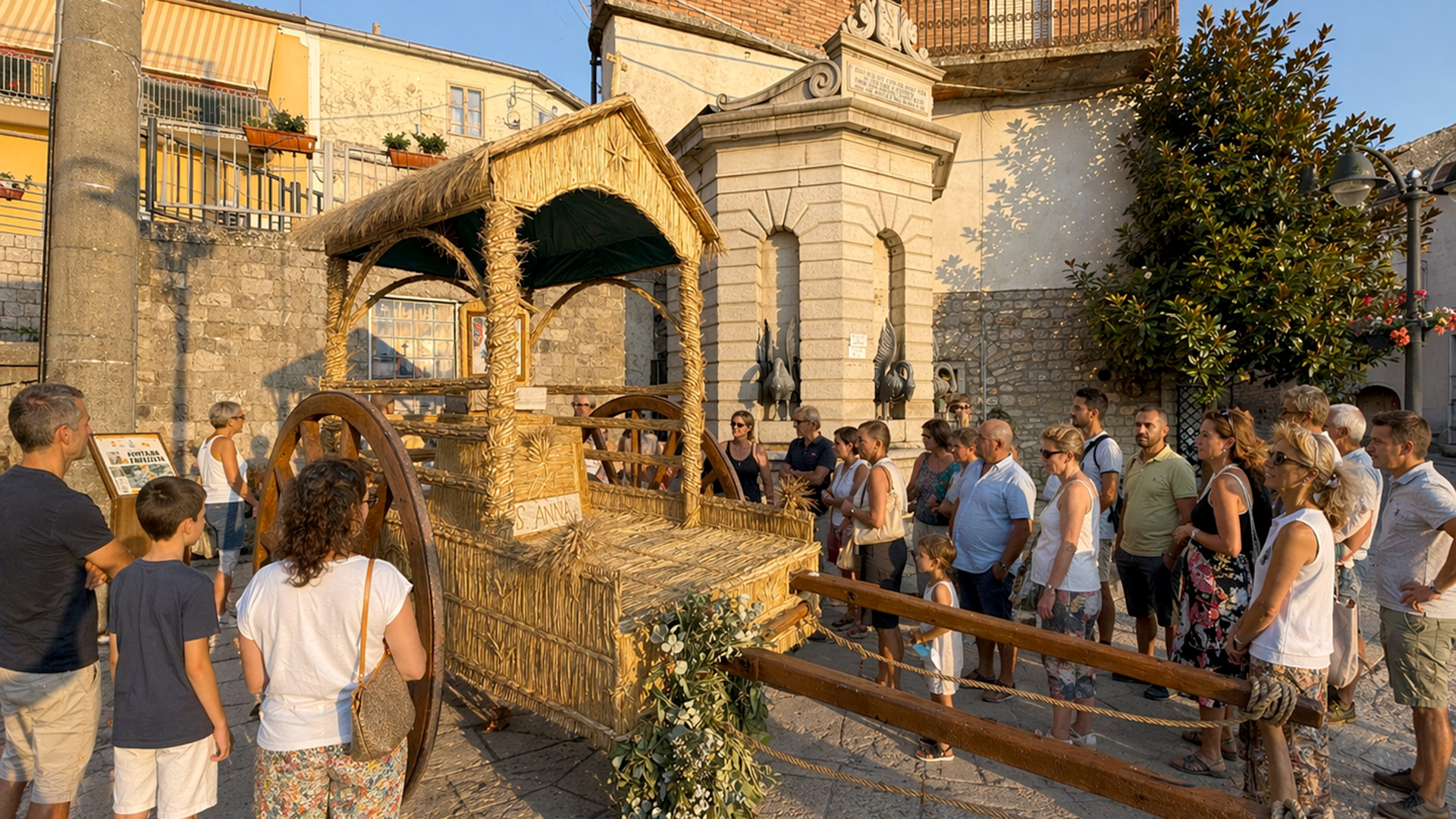
One of the festival’s most iconic symbols is the Wheat Cart, displayed every year in front of the Fontana Angelica. An ephemeral yet extraordinary work of art, created with a design that changes every year, it tells the story of the region’s agricultural history and its connection to the land. Its origins date back to 1924, when similar carts were paraded to collect the wheat intended to provide financial support for the festival.
But it is the community’s involvement that makes this celebration unique. It all begins with the Novena, from 17 to 24 July, heralded each evening by the sound of firecrackers echoing amongst the houses. Then comes the night between the 25th and the 26th: this is the ‘nottata’, experienced mainly by young people, who stay awake to await one of the most intense and evocative moments.
At dawn on 26 July, the penitential procession begins, setting off from Fontana Angelica and making its way to the Fontana di Mottola, some three kilometres away. It is a silent journey, steeped in spirituality, which traverses both the landscape and the souls of those taking part.
In the evening, however, the solemn procession takes place – the longest of the year. The statue of Saint Anne winds its way through the streets of the town, passing through Tombola, Borgo Castello and Corso Vittorio Emanuele, descending towards Via Sabini and then climbing back up to Calvario. At the highest points, the statue is turned towards the distant districts, as if to symbolically embrace the whole community, including those who cannot be physically reached.
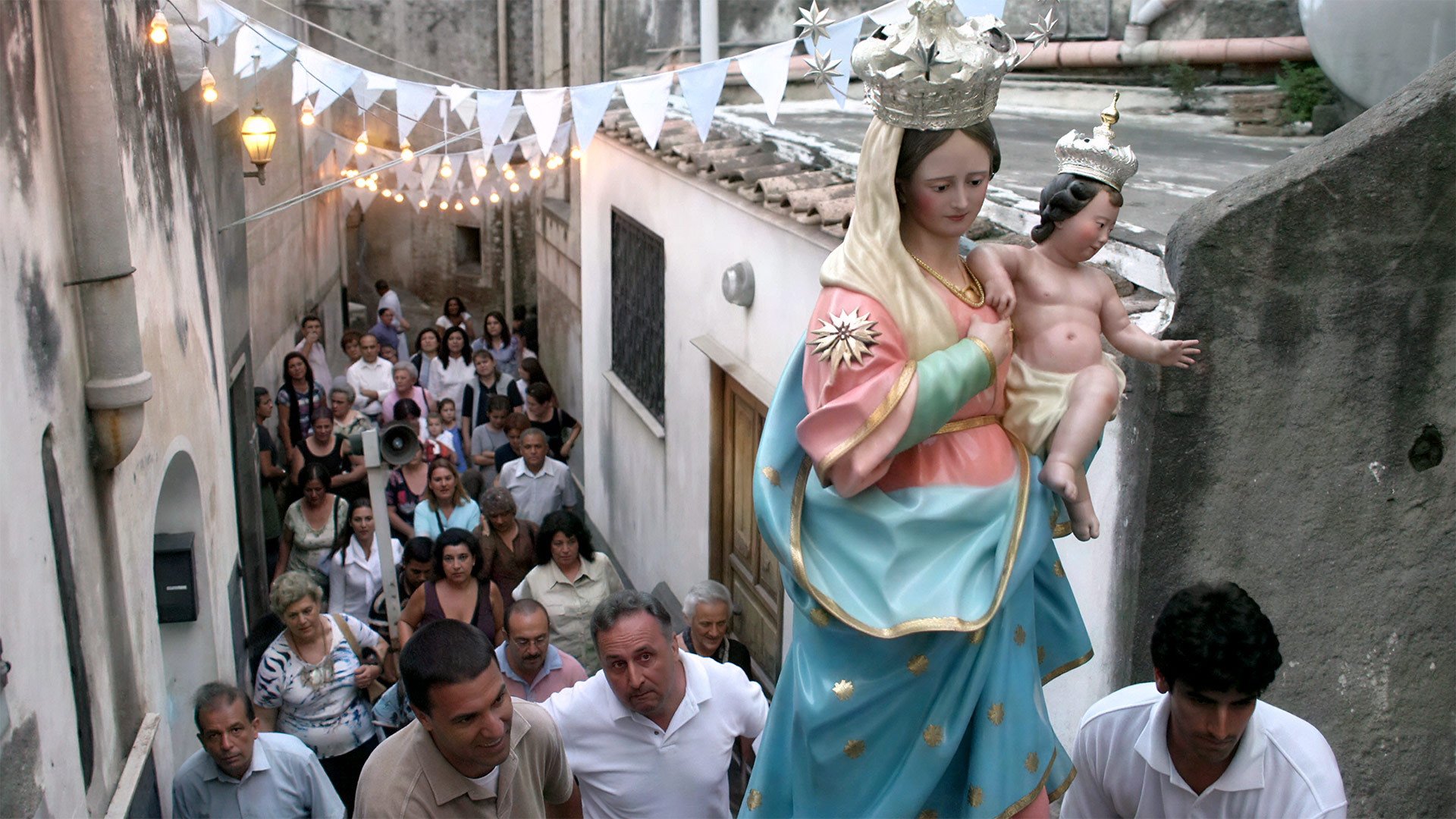
There is a time, in Savignano Irpino, when the streets once again fill with familiar faces, time-honoured footsteps and shared memories. It is 2 July, the day dedicated to Our Lady of Grace, one of the most profound and deeply-rooted celebrations in the village’s history, which still has the power today to draw back those who have left but have never stopped feeling like Savignanese.
It used to be the village’s most important festival, the time when the community came together after the long transhumance season. The herds returned from Puglia, the cattle fair brought the days to life, and the procession, held at midday, became the beating heart of a collective ritual that brought together faith, work and everyday life.
As the Madonna passed through, the village was transformed: balconies and windows were adorned with embroidered blankets – the finest ones – displayed as a sign of devotion. The streets were filled with small, makeshift altars, and every house took part, offering a fragment of its own history to that shared moment.
Today, the procession takes place in the evening, bathed in a more intimate, almost ethereal light. And yet, one thing has remained unchanged: the singing. An ancient song, handed down through the ages, which accompanies the statue’s journey and restores the community’s most authentic voice:
“Maria delle Grazie.
o source of grace, I come to offer you thanks.
Grant us this, O Mary,
have you seen the Eternal Father
you are the Mother of God,
pray for us, o Maria".
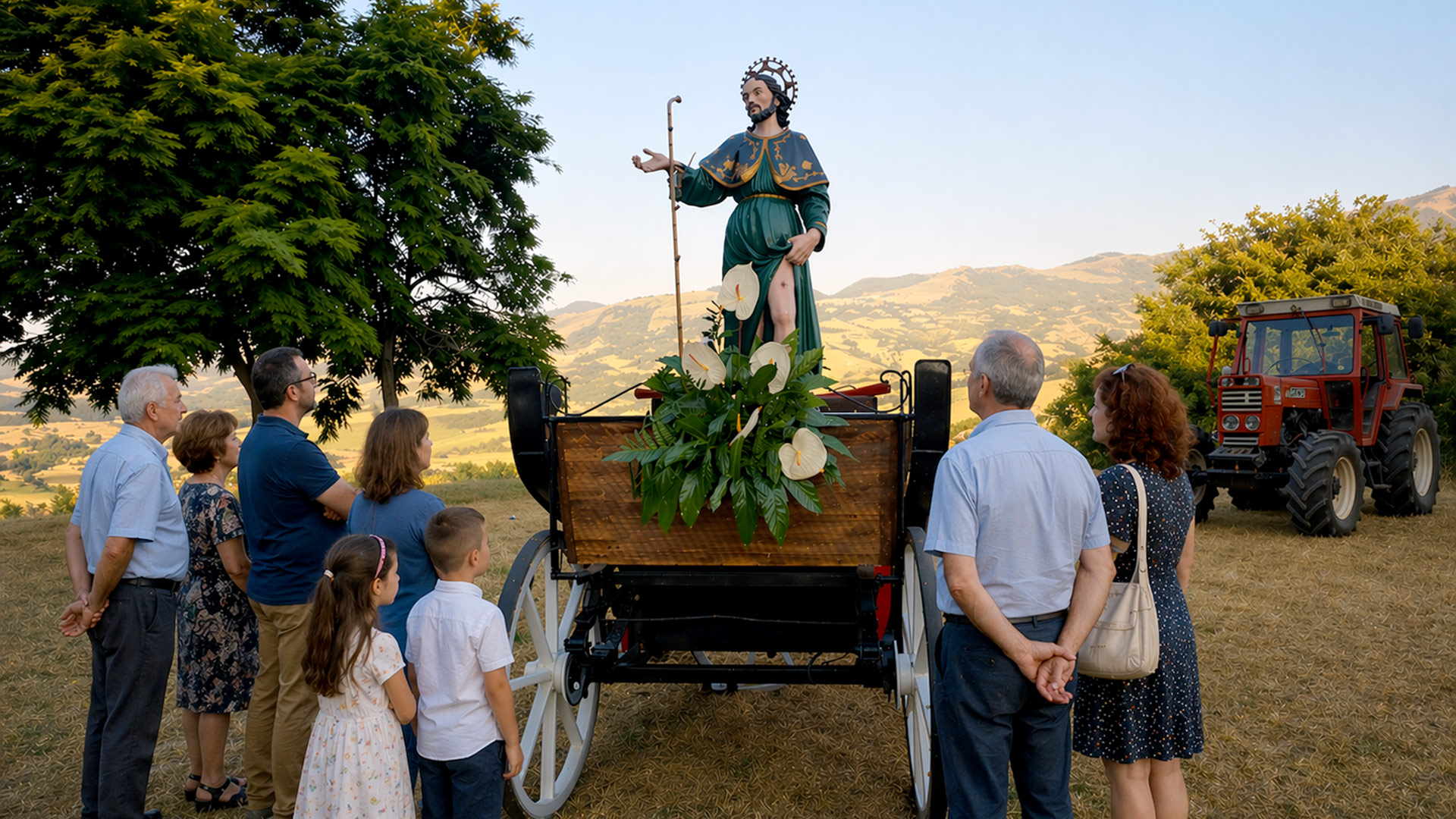
There is a festival in Savignano Irpino which, more than any other, illustrates the deep bond between people, the land and animals. It is the festival of San Rocco, celebrated on 1 July, an event which still preserves the most authentic spirit of rural life.
Although the church dedicated to the saint no longer exists, devotion to him has never waned. On the contrary, it lives on in the hands, gestures and traditions of a community that sees Saint Roch as a spiritual and cultural point of reference.
In the past, this day coincided with a major livestock fair, one of the most important events of the agricultural year. The village would be filled with farmers, traders and visitors: a crossroads of stories, negotiations and hopes. It was the time when people took stock of a year’s work, sold, bought and decided on the future.
Before the fair, the animals were led to be blessed, in a ritual that blended the sacred with the everyday. Today, that tradition continues, transformed but not forgotten: instead of animals, it is agricultural machinery that is blessed, at the end of a procession that leads from Fontana Licese to Bosco, where Holy Mass is celebrated.
Among the most evocative tales associated with this festival, the tradition of ‘lu puorc d’ Sant’ Rocc’’ still lives on. A piglet, called Rocchino, was set free to roam the village and looked after by the whole community. It grew up in this way, fed by everyone, until the day of the festival, when it was sold to the highest bidder to fund the celebrations. A simple yet powerful gesture that conveys the sense of belonging and sharing better than any words could.
| Cookie | Duration | Description |
|---|---|---|
| cookielawinfo-checbox-analytics | 11 months | This cookie is set by GDPR Cookie Consent plugin. The cookie is used to store the user consent for the cookies in the category "Analytics". |
| cookielawinfo-checbox-functional | 11 months | The cookie is set by GDPR cookie consent to record the user consent for the cookies in the category "Functional". |
| cookielawinfo-checbox-others | 11 months | This cookie is set by GDPR Cookie Consent plugin. The cookie is used to store the user consent for the cookies in the category "Other. |
| cookielawinfo-checkbox-necessary | 11 months | This cookie is set by GDPR Cookie Consent plugin. The cookies is used to store the user consent for the cookies in the category "Necessary". |
| cookielawinfo-checkbox-performance | 11 months | This cookie is set by GDPR Cookie Consent plugin. The cookie is used to store the user consent for the cookies in the category "Performance". |
| viewed_cookie_policy | 11 months | The cookie is set by the GDPR Cookie Consent plugin and is used to store whether or not user has consented to the use of cookies. It does not store any personal data. |

Discover the World, one Full Adventure at a Time!
1080 Brickell Ave - Miami
United States of America
info@travel.com
Travel Agency +1 473 483 384
Info Insurance +1 395 393 595


