Savignano Irpino: a thousand-year history spanning Irpinia and Puglia
From prehistory to the medieval village, from the pilgrims’ routes to the 20th-century reconstruction: identity, memory and territory in the Cervaro Valley
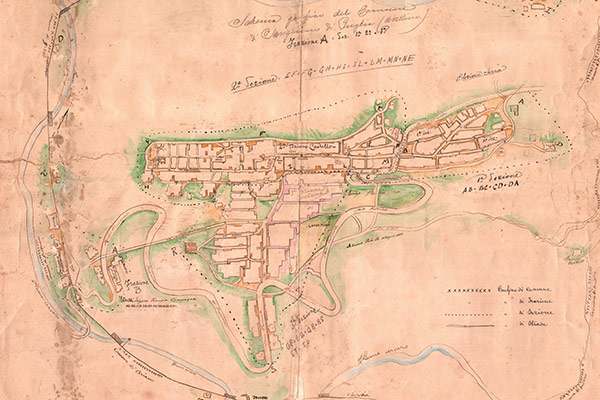
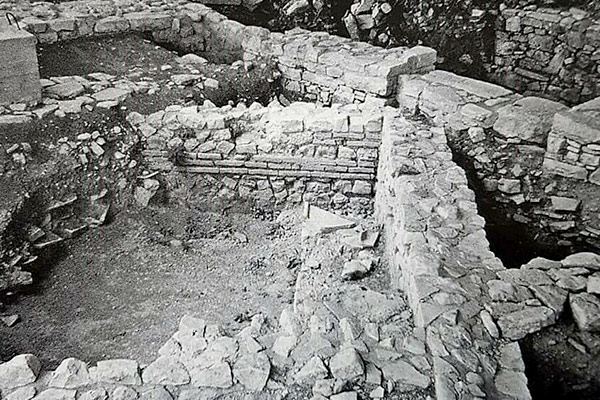
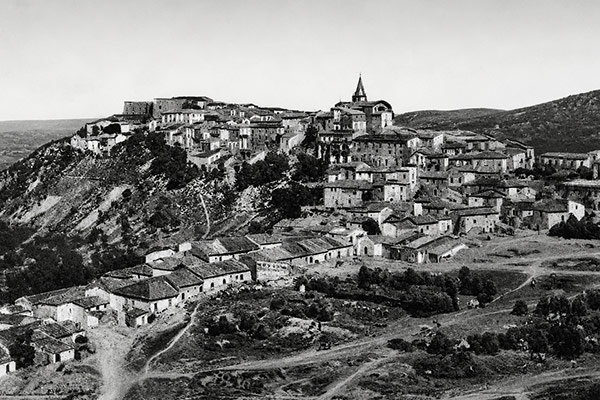
The history of Savignano Irpino has its roots in prehistory and has developed over the centuries as a crossroads between Campania and Puglia, the heart of the Cervaro Valley and a strategic stronghold on the ‘Via delle Puglie’. Archaeological evidence documents a continuous human presence dating back to the Neolithic period (5500–4500 BC), with settlements at Monte Castello and in the localities of Fontana di Mottola, Postarza and Cesine. Artefacts made of flint and obsidian, decorated pottery and burial sites bear witness to well-established agricultural and pastoral communities.
Savignano Irpino history of a territory caught between borders and identity
Origins and the Ancient World
Between the Bronze Age and the Iron Age, the area was inhabited by Italic peoples – the Hirpini, Dauni and Samnites – whilst in Roman times it became an important rural hub linked to the Fundus Sabinianus, connected to the towns of Aequum Tuticum and Vibianum and crossed by strategic road networks. Its proximity to the Pescasseroli–Candela sheep track further cemented the area’s agro-pastoral character.
The Medieval Village
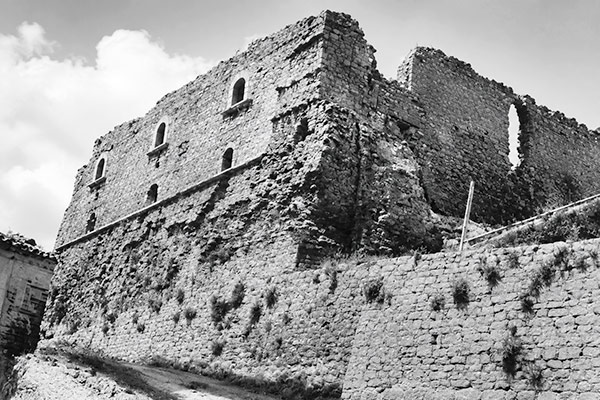
The medieval village was founded between the 8th and 9th centuries as *castrum Sabinianum*, first mentioned in 988. During the Norman period, it became part of the Barony of Greci and Ferrara. Between the 12th and 13th centuries, the castle was the scene of sieges and conflicts between the Swabians, Normans and Angevins, confirming its dominant position over the valley. From the 15th century, Savignano passed into the hands of the powerful Guevara family, who consolidated its administrative role until the abolition of feudalism in 1806.
Faith and Pilgrimage Routes
In the 18th century, the town is associated with Cardinal Vincenzo Maria Orsini, Archbishop of Benevento and later Pope Benedict XIII, who in 1727 commissioned the construction of the *Hospitius pro peregrinis* – now Palazzo Orsini – a testament to the town’s central role along religious pilgrimage routes. Savignano is, in fact, part of the Via Francigena del Sud network, a route taken by pilgrims and crusaders heading for the ports of Apulia.
Between Uprisings and Unification
The nineteenth century was marked by the Carbonari uprisings of 1820 and 1848, the unification of Italy and the phenomenon of brigandage (1860–1880), which was facilitated by the woods between Savignano and Bovino. In 1862, the municipality adopted the name ‘Savignano di Puglia’, which was subsequently changed in 1963 to ‘Savignano Irpino’, thereby confirming its definitive affiliation with the province of Avellino.
The Twentieth Century
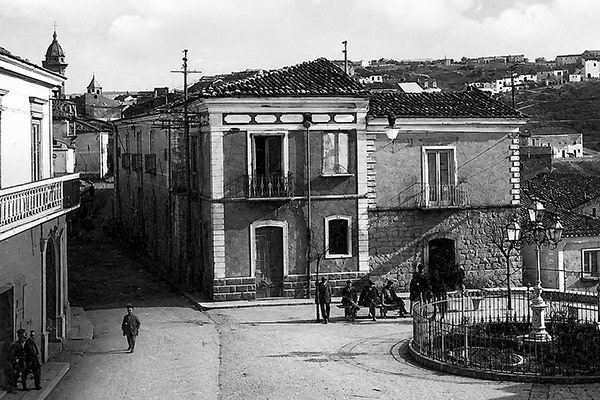
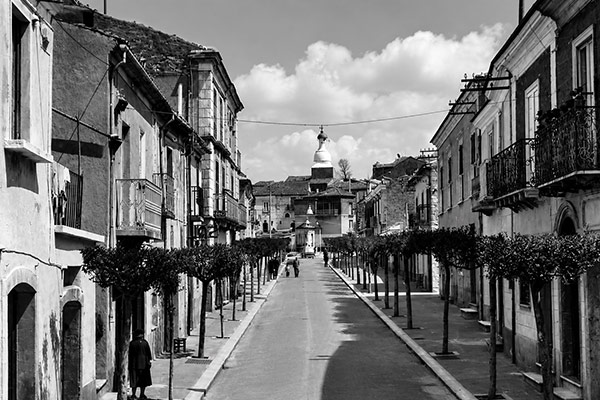
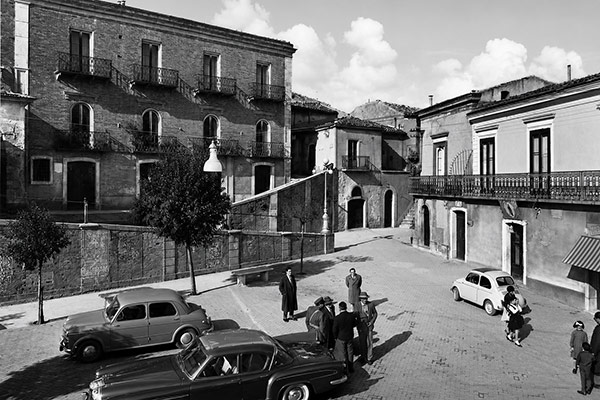
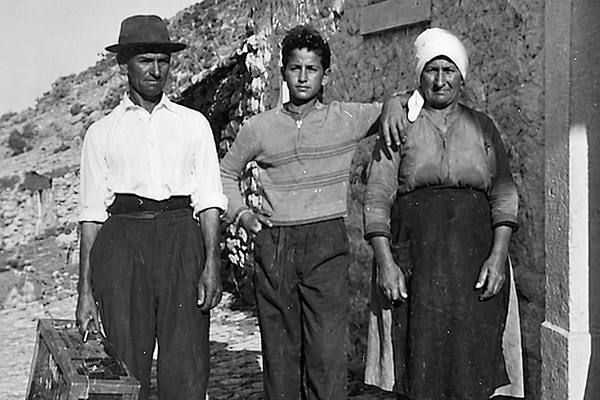
The 20th century saw emigration to the Americas, Australia and Europe, the two world wars, and the earthquakes of 1930, 1962 and, above all, 1980, which caused severe damage to the built environment and the population. The post-war reconstruction and modernisation of the water supply networks, schools and infrastructure went hand in hand with the town’s urban transformation.
Contemporary Identity
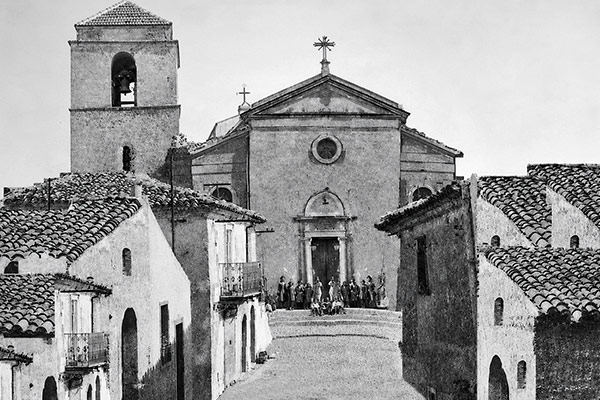
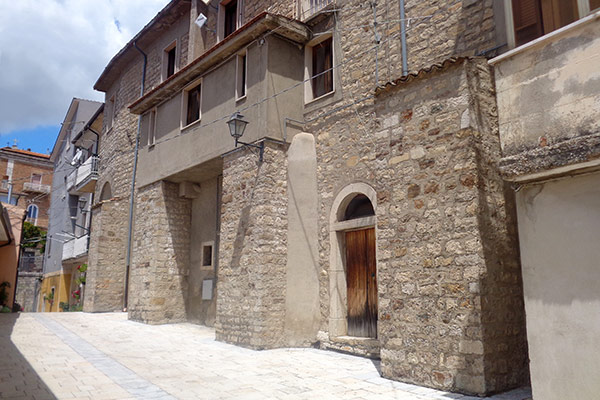
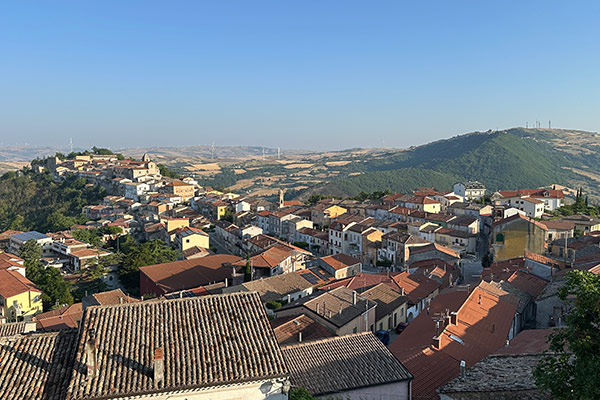
Today, Savignano Irpino preserves the traces of a thousand years of history in its historic centre, its castle and its churches. A borderland, this Irpinian village, suspended between memory and identity, continues to tell a story of resilience, faith and community pride, in which past and present interact against the backdrop of the Cervaro Valley.
This website uses cookies: by clicking ‘OK’ or continuing to browse the site, you consent to the use of cookies. OKDeclineFurther Information
Privacy & Cookies Policy
Privacy Overview
This website uses cookies to improve your experience while you navigate through the website. Out of these, the cookies that are categorized as necessary are stored on your browser as they are essential for the working of basic functionalities of the website. We also use third-party cookies that help us analyze and understand how you use this website. These cookies will be stored in your browser only with your consent. You also have the option to opt-out of these cookies. But opting out of some of these cookies may affect your browsing experience.
Necessary cookies are absolutely essential for the website to function properly. These cookies ensure basic functionalities and security features of the website, anonymously.
Cookie
Duration
Description
cookielawinfo-checbox-analytics
11 months
This cookie is set by GDPR Cookie Consent plugin. The cookie is used to store the user consent for the cookies in the category "Analytics".
cookielawinfo-checbox-functional
11 months
The cookie is set by GDPR cookie consent to record the user consent for the cookies in the category "Functional".
cookielawinfo-checbox-others
11 months
This cookie is set by GDPR Cookie Consent plugin. The cookie is used to store the user consent for the cookies in the category "Other.
cookielawinfo-checkbox-necessary
11 months
This cookie is set by GDPR Cookie Consent plugin. The cookies is used to store the user consent for the cookies in the category "Necessary".
cookielawinfo-checkbox-performance
11 months
This cookie is set by GDPR Cookie Consent plugin. The cookie is used to store the user consent for the cookies in the category "Performance".
viewed_cookie_policy
11 months
The cookie is set by the GDPR Cookie Consent plugin and is used to store whether or not user has consented to the use of cookies. It does not store any personal data.
Functional cookies help to perform certain functionalities like sharing the content of the website on social media platforms, collect feedbacks, and other third-party features.
Performance cookies are used to understand and analyze the key performance indexes of the website which helps in delivering a better user experience for the visitors.
Analytical cookies are used to understand how visitors interact with the website. These cookies help provide information on metrics the number of visitors, bounce rate, traffic source, etc.
Advertisement cookies are used to provide visitors with relevant ads and marketing campaigns. These cookies track visitors across websites and collect information to provide customized ads.